
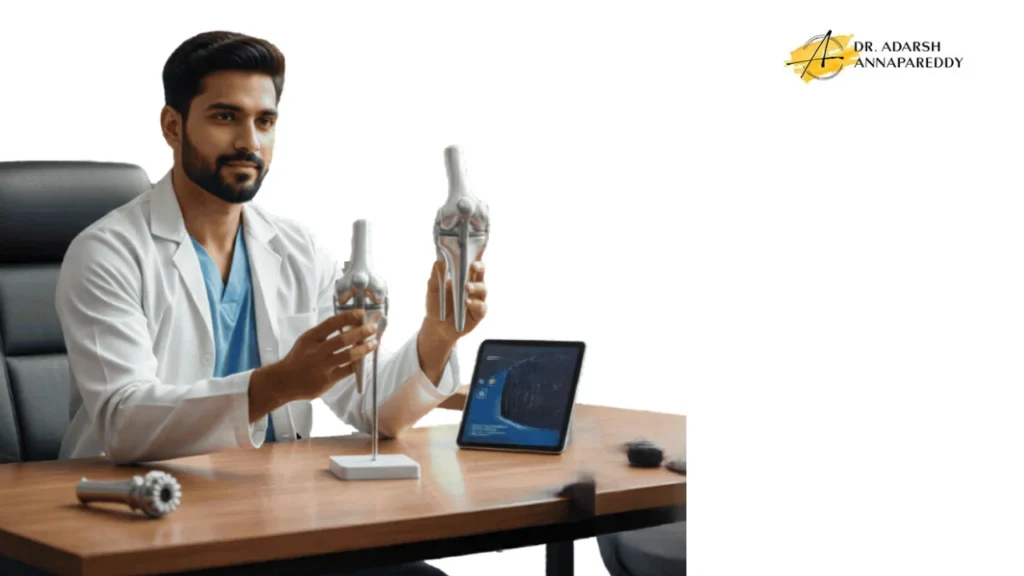
Orthopaedic surgery has always been a bit of a gamble for most patients- at least until recently. This is because implants available were of fixed sizes and were made of specific materials. Every orthopaedic surgeon knows that each person’s body is different, even if we all share the same anatomical aspects. This is especially true for the skeletal system, as bone size and particular structural anomalies (if present) can mean that one-size-fits-all approaches cannot be used. This is where 3D printing in orthopaedics can greatly come to benefit prospective patients, as it can mean the availability of custom orthopaedic implants.
The Need for Personalised Implants
Our bones and joints need to work in the right way for you to be able to move easily and painlessly. Joint pain and related issues begin to crop up when there is severe injury or wear and tear due to degenerative diseases like arthritis or advanced ageing. In different kinds of arthritis, the cartilage in the joint begins to break down or gets worn down and damaged- leading to stiffness, swelling and grinding pain. Joint replacement surgery can mean the use of metal or ceramic implants to replace the damaged bones and joints.
Conventional surgery relies on the usage of pre-existing implants, which may not fit well. Personalised implants can be obtained by 3D printing – just to enhance popper fitting of the joint into the socket and this can mean more natural movement, better stability and improved healing. These kinds of implants are normally made using detailed CT and MRI scans- which are used to reconstruct the patient’s joint into a 3 dimensional model.
The Advantages of Getting 3D Printed Joint Implants
The process first begins with the use of CT and MRI scans that have been taken before. Then, a solid 3D model of the patient is made, for which the requisite implants and surgical instruments needed are then freshly printed or made using the right biomaterials. Every one has different shaped bones and joints and this is why standard, uniformly sized implants may not always work.
Once the 3D model of the patient’s joint is ready, the surgeon can then use it as a platform to practice the surgery on. This can ensure greater precision on the day of the surgery too. Personalised implants are arguably one of the most important orthopaedic innovations available to us all today.
A 3d printed hip implant or knee joint can be made of bioceramics, biopolymers, metal or even a composite of different biomaterials. The mechanical properties of each of these materials needs to be studied and understood well, to be able to construct a useful implant later on. The material used needs to be as dense and strong as bone, but must also be flexible and must not be brittle and break easily. Problematic implants can lead to further bone loss and implant failure in the future.
Conclusion
Whether you need a 3D printed hip implant or 3D printed knee replacement, getting a timely consultation and surgery by an experienced surgeon is very crucial. With robotic surgery being used often these days, it is time to embrace these technological developments with gusto- as they promise better stability and joint function- all of which can translate to improved quality of life due to better range of motion, greater flexibility and less pain too.
Frequently Asked Questions
3D printing in orthopaedics involves creating patient-specific models, instruments, and implants using advanced digital technology. Medical imaging such as CT or MRI scans provide precise data to design accurate 3D models of bones and joints. These models help surgeons plan complex procedures and produce implants that match the patient’s anatomy perfectly.
3D printed implants offer several benefits during surgery. They allow a precise fit, improve load distribution, and promote better bone integration due to porous surfaces that mimic natural bone structure. The use of customised surgical guides also reduces operation time and blood loss, leading to quicker recovery and fewer complications.
3D printing is safe for hip and knee replacements when approved materials and techniques are used. Titanium alloys and biocompatible polymers are most common, offering strength and durability while supporting bone growth. Regulatory standards ensure that 3D printed implants meet the same safety and performance requirements as conventionally manufactured ones
Custom-made implants improve surgical outcomes by restoring joint alignment and movement more accurately. They reduce the risk of implant loosening or imbalance and can be especially valuable in patients with unusual bone anatomy or after previous surgeries. Tailored implants also enhance comfort and function, supporting long-term success.