
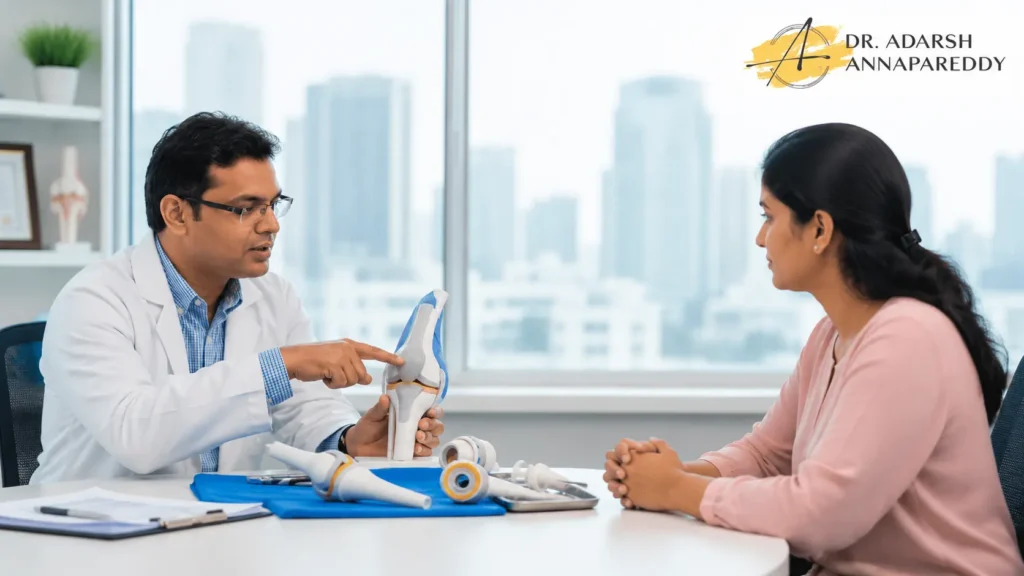
Joint replacement surgery has become a life-changing solution for patients struggling with chronic joint pain due to arthritis, injury, or age-related degeneration. Thanks to continuous innovation in medical technology, today’s joint replacement implants are more durable, biocompatible, and tailored to patient needs than ever before.
Orthopaedic specialists like Dr. Adarsh Annapareddy, who brings extensive experience in advanced hip and knee replacement procedures, are at the forefront of offering patients these newer, improved implant options.
The Evolution of Joint Implants
Traditionally, joint implants were made of metal components, often with metal-on-metal or metal-on-plastic articulation surfaces. While effective, these older designs sometimes led to wear debris, inflammation, or implant loosening over time. Today, materials science has enabled significant advances in joint implants, especially in the form of ceramic and high-grade plastic implants.
Let’s break down what’s new and beneficial in both hip and knee replacement implant options.
Ceramic Implants
Ceramic implants, especially in hip replacements, are known for their smooth surface and low wear rates. These materials are highly biocompatible, making them less likely to trigger immune responses or inflammation. Ceramic-on-ceramic or ceramic-on-polyethylene combinations offer the added benefit of minimal friction, making them an excellent option for younger or more active patients.
Advantages of ceramic implants:
- Extremely hard and wear-resistant
- Low risk of metal ion release
- Reduced risk of osteolysis (bone degradation)
Considerations: Ceramic materials, while strong, can be more brittle than metal. However, advancements in engineering have significantly reduced the risk of fracture.
Advanced Plastic Implants
Plastic implants, particularly ultra-high-molecular-weight polyethylene (UHMWPE), are widely used in both hip and knee replacements. Newer generations of these plastics are cross-linked and sometimes infused with antioxidants to enhance longevity.
Advantages of modern plastic implants:
- Highly durable and resistant to wear
- Lower risk of revision surgery
- Suitable for a wide range of activity levels
In knee replacements, the plastic acts as a spacer between metal components, mimicking the cushioning effect of cartilage. Newer materials offer smoother movement and better shock absorption.
Personalized Implant Selection
Choosing the right implant isn’t one-size-fits-all. Factors like age, activity level, bone quality, allergies (e.g., to metal), and overall health play a critical role. An experienced orthopaedic surgeon like Dr. Adarsh Annapareddy evaluates each patient’s profile before recommending the most suitable implant type—ceramic, plastic, or a combination.
What Patients Should Keep in Mind
- Implant longevity: Modern implants can last 20 years or more, depending on usage and material.
- Recovery & function: Implant choice may impact recovery speed and joint function.
- Revision risk: High-quality materials reduce the likelihood of future revision surgeries.
- Lifestyle compatibility: Newer materials can support more active lifestyles than ever before.
The field of joint replacement has seen remarkable advancements, particularly with the introduction of ceramic and advanced plastic implants. These materials not only offer greater durability and biocompatibility but also improve patient comfort, reduce recovery times, and extend the lifespan of implants. However, the success of a joint replacement depends not just on the material but also on personalized care and expert surgical execution.
With a patient-centric approach and deep expertise in the latest implant technologies, Dr. Adarsh Annapareddy ensures that each individual receives the most appropriate solution tailored to their lifestyle and medical needs. If you’re considering hip or knee replacement surgery, now is the time to explore your options with confidence and clarity.
Frequently Asked Questions
Physiotherapy usually starts within 24 hours after surgery, beginning with simple knee rehab exercises to promote range of motion and prevent stiffness. Early movement under supervision can accelerate knee replacement recovery while reducing complications. Your therapist will gradually increase activity intensity to ensure safe, steady progress without overloading the joint.
Yes, light activities like folding laundry or light cooking can be resumed after the first few weeks, provided they do not involve sudden twisting, bending, or lifting. Avoid activities that cause pain or swelling, and follow your post-knee surgery care plan to prevent strain while maintaining gentle mobility.
Safe options include straight leg raises, heel slides, gentle step-ups, and stationary cycling. These muscle-strengthening exercises improve stability and improve knee function without stressing the joint. Always follow your physiotherapist’s guidance to ensure movements are suitable for your stage in the recovery timeline.
Regular icing, elevating the leg, wearing compression stockings, and maintaining gentle movement can all help in swelling. Your physiotherapist may also recommend specific stretches or low-impact post-op physical therapy exercises to improve circulation and manage inflammation effectively.
Most patients can walk outdoors within 4-6 weeks, depending on their knee replacement recovery progress. Begin with short, flat, and safe paths, increasing distance gradually. Avoid uneven surfaces in the early stages to protect the joint and to maintain positive knee surgery outcomes.